

Belonging is created when students feel known, valued, included, supported, challenged and celebrated. Tutor time is one of the most important opportunities to build this culture every day.
We promote a culture where every student feels safe, supported, valued and able to thrive. Our approach to belonging will support our students’ wellbeing. In addition we follow the framework below –
Wellbeing is fundamental in education because it directly impacts a student’s ability to learn, grow, and thrive. When schools prioritize emotional security and mental health, students demonstrate improved concentration, higher academic engagement, and stronger problem-solving skills. Moreover, fostering a supportive environment builds resilience against stress, encourages regular attendance, and cultivates a sense of belonging—equipping young people with essential self-care habits and emotional tools that support lifelong success.
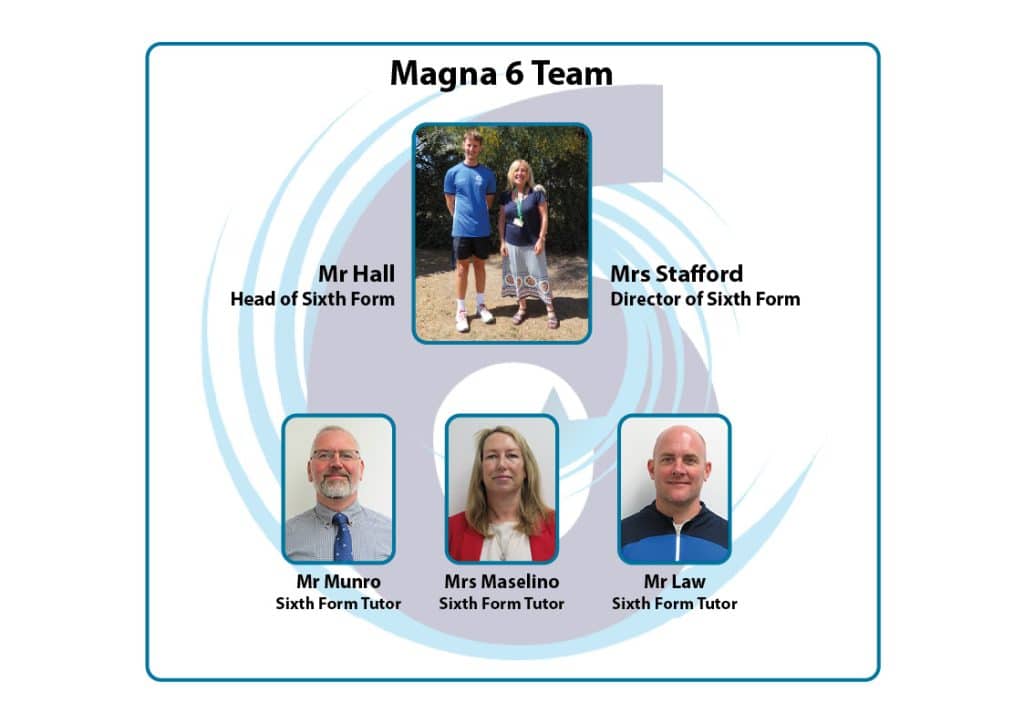
Throughout Sixth Form, students meet with their dedicated tutor twice daily for ongoing support. Tutors serve as a consistent point of contact, delivering pastoral care, academic guidance, and future careers planning.
Students follow this programme for tutor time:
| Day | Morning Registration | Afternoon Tutor Time |
| Monday | Week A – Assembly Week B – Personal Development and Wellbeing |
Personal Development and Wellbeing |
| Tuesday | Mentoring 1216s Reading for Pleasure |
Mentoring 1216s Reading for Pleasure |
| Wednesday | Wellbeing Wednesday Reflecting on the week so far through conversation |
Enrichment |
| Thursday | Mentoring 1216s Reading for Pleasure |
Mentoring 1216s Reading for Pleasure |
| Friday | Futures Friday | Futures Friday |
1216s These are one to one tutorials during tutor time
1:1 mentoring is particularly effective in Sixth Form because it provides students with personalised support at a crucial stage of their development. It enables trusted relationships to be built, allowing students to discuss academic progress, wellbeing, aspirations and challenges openly.
Regular mentoring helps identify barriers early, promotes accountability, strengthens motivation and confidence, and ensures students receive tailored guidance to help them achieve their goals and successfully prepare for their next steps beyond Sixth Form.
From structured conversations students will set 2-3 targets with their tutors which will be reviewed every half term. 1216s take place on Tuesdays and Thursdays whilst the rest of the group read for pleasure a book of their choice.
Mixing Year 12 and Year 13 students in vertical tutor groups offers key practical, social, and academic benefits:
- Peer Mentoring and Guidance: Year 13 students share firsthand experience on navigating A-Levels, coursework, revision strategies, and managing workload, giving Year 12s immediate, practical advice.
- Support with Higher Education and Careers: Year 12s get early insight into UCAS applications, personal statements, apprenticeships, and university choices by observing Year 13s go through the process.
- Stronger Community and Culture: Blending year groups breaks down social barriers between year levels, fostering a more inclusive, supportive, and cohesive sixth-form culture.
- Role Modeling and Leadership: Year 13 students develop leadership, communication, and mentoring skills, while Year 12s gain positive role models who help ease their transition into post-16 education.
- Reduced Transition Anxiety: Entering sixth form can feel daunting; having older students in the same tutor group provides a reassuring support network from day one.
Our students' wellbeing is at the heart of everything we do; we believe their happiness and confidence are key to their success.
magna 6